Sidewalk Salt Safety Experts
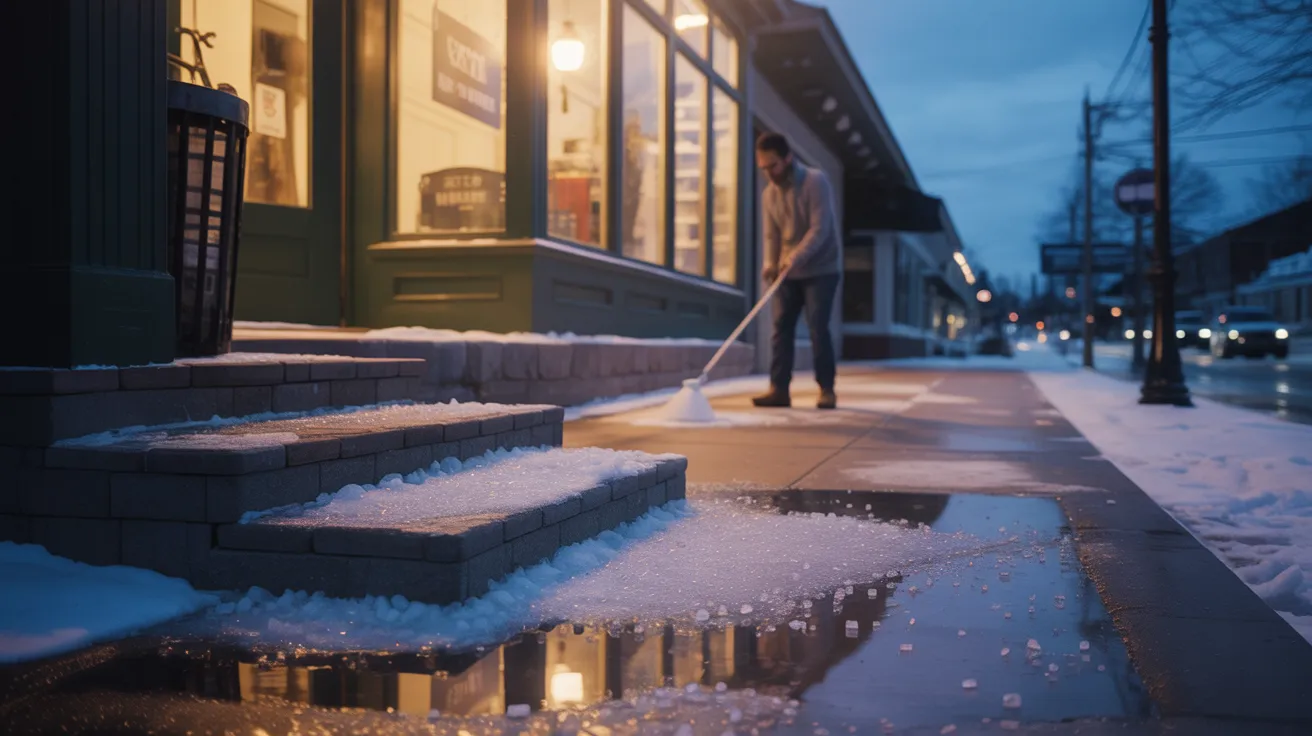
When choosing ice melt in Little Chute, base it on pavement temperature. Opt for calcium chloride for temperatures reaching −25°F and select rock salt at 15-20°F. Pre-treat surfaces 1-2 hours prior to snow, then spot-treat after shoveling. Configure your spreader and strive for thin, even coverage to reduce runoff. Avoid using chlorides on new or damaged concrete; look into calcium magnesium acetate near sensitive surfaces. Safeguard pets safe with rounded, low-chloride blends and wash entryways. Maintain storage sealed, dry, and properly segregated. Looking for specific advice for dosages, timing, and sourcing?
Core Insights
- In Little Chute's cold season, use calcium chloride for subzero temperatures and spread rock salt if the pavement reaches 15-20°F or warmer.
- Put down a thin calcium chloride tack coat 60-120 minutes prior to snowfall to avoid snow adhesion.
- Set up your spreader; distribute roughly 1-3 ounces per square yard and apply again only where ice remains after plowing.
- Shield concrete that's less than one year old and landscaped borders; use calcium magnesium acetate close to sensitive areas and prevent pellets from touching vegetation.
- Choose animal-friendly circular granules and include sand for traction below the product, then push extra material back onto walkways to minimize runoff.
How Ice Melt Works on Snow and Ice
While it may appear straightforward, ice melt functions by reducing water's freezing point enabling ice changes to liquid at lower temperatures. When you spread melting agents, they break down into brine that penetrates the ice-snow boundary. This brine breaks down the crystalline lattice, decreasing bond strength and producing a lubricated barrier that enables you clear and shovel effectively. As the melting begins, the process pulls latent heat from the surroundings, which can slow down progress in extreme cold, so use thin, even application.
For maximum effectiveness, remove loose snow before starting, then apply to remaining compacted layers. Avoid spreading salt near sensitive surfaces and vegetation. Avoid excessive application, as overuse of salt causes runoff and refreeze risk when dilution raises the effective freezing point. Add a thin layer after clearing to ensure a secure, grippy surface.
Picking the Ideal De-Icer for Wisconsin's Climate
Having learned how salt solutions break bonds and begin the melting process, pick a product that works effectively at the climate conditions typical in Wisconsin. Coordinate the product chemistry with expected weather patterns and traffic patterns to maintain safe and efficient walkways.
Spread rock salt if pavement temps stay around 15-20°F and above. Rock salt is economical and provides good traction, but performance decreases dramatically below its practical limit. During cold snaps plunge toward zero, switch to calcium chloride. This solution produces heat upon contact, initiates melting at temperatures as low as -25°F, and works fast for managing refreezing.
Use a strategic blend: initialize with a gentle calcium chloride treatment ahead of storm events, and then targeted application of rock salt for post-storm coverage. Carefully calibrate spreaders, target consistent, thin coverage, and apply again only when necessary. Observe pavement temperature, not just air temperature.
Landscaping and Concrete: Pet Safety Guidelines
As you focus on melting performance, protect concrete, plants, and pets by coordinating chemistry and application rates to site sensitivity. Check concrete curing age: steer clear of chlorides on newly poured concrete and on scaled, cracked, or exposed-aggregate surfaces. Prefer calcium magnesium acetate or potassium acetate near vulnerable concrete; limit sodium chloride where freeze-thaw cycling is severe. For landscaping, prevent ice melt from reaching garden beds; use barriers and broom excess back to paved areas. Select products with reduced chloride concentrations and incorporate sand for traction when temperatures fall under product efficacy.
Safeguard pet paws with rounded ice melt products and avoid heat-producing materials that elevate surface temperature. Wash doorways to minimize salt deposits. Maintain animal water intake to reduce ice melt intake; outfit pets with booties where possible. Store ice-melting products tightly closed, elevated, and away from pets.
Essential Tips for Efficient, Professional Results
Optimize your spreading technique for efficient melting and minimal cleanup: apply treatment before storms hit, adjust your spreader settings, and apply the recommended dose for the treatment and weather. Time pre-treatment with weather forecasts: put down a thin preventive layer 1-2 hours before snow to prevent adhesion. Apply with broadcast spreading with a distribution that covers edge to edge without spreading onto landscaping or doorways. Check application rates with a catch test; target 1-3 oz per square yard for most salts above 15°F, reducing amounts for high-performance blends. Pay special attention to trouble spots-north exposures, downspouts, and shaded steps. Post-plowing, reapply only where needed. Collect unused product back into the working path to ensure grip, reduce material spread indoors, and decrease slip hazards.
Storage, Handling, and Environmental Best Practices
Place de-icers in sealed, labeled containers in a dry, cool location away from drainage systems and reactive materials. Apply products with protective gloves, safety goggles, and calibrated spreaders to prevent direct exposure, breathing dust, and excessive use. Protect vegetation and waterways by spot-treating, sweeping up excess, and choosing chloride-reduced or acetate-based options where suitable.
Proper Storage Conditions
While ice-melting salt appears relatively safe, handle it as a controlled chemical: store bags sealed in a moisture-free, covered area above floor level to stop moisture absorption and hardening; keep temperatures above freezing to reduce clumping, but separate from heat sources that could degrade packaging. Use climate controlled storage to hold relative humidity below 50%. Utilize humidity prevention strategies: humidity control units, vapor barriers, and properly sealed door seals. Stack pallets on racking, not concrete, and maintain airflow gaps. Inspect packaging on a weekly basis for tears, crusting, or wet spots; rebag compromised material right away. Separate different chemistries (NaCl, CaCl2, MgCl2) to limit cross-contamination. Set up secondary containment to contain brine leaks. Keep storage at least 100 feet from wells, drains, and surface water. Mark inventory and manage FIFO.
Safe Handling Protocols
Proper safety protocols start before handling materials. Be sure to confirm material identification and safety concerns by reviewing labels and Safety Data Sheets. Pick suitable safety gear based on exposure hazards: Choose gloves appropriate for the chemical type (nitrile for chlorides, neoprene when handling blends), factoring in cuff length and temperature ratings. Ensure you have eye protection, long sleeves, and appropriate boots. Keep the material away from skin and eyes; never touch your face during application.
Use a scoop, not your hands and keep the bags steady to avoid unexpected spills. Work upwind to minimize dust click here exposure; wearing a dust mask helps during pouring. Sweep up minor spills and save for later use; don't rinse salts into drainage systems. Thoroughly clean hands and equipment when done. Store protective equipment in dry conditions, inspect for wear and tear, and promptly replace damaged gloves.
Green Application Practices
With PPE and handling procedures in place, concentrate on reducing salt usage and drainage. Set up your spreader to distribute 2-4 ounces per square yard; spot-treat high-risk zones first. Pre-treat before storms with a brine (23% NaCl) to minimize overall salt usage and improve surface bonding. Opt for products or combinations with environmentally conscious sourcing and decomposable packaging to cut lifecycle impacts. Keep supplies elevated and sheltered, away from floor drains; employ contained storage with backup protection. Maintain emergency response supplies; gather and repurpose scattered particles-don't wash down areas. Maintain 5-10 feet buffers from waterways, wells, and storm inlets; install berms or socks to intercept meltwater. After thaw, sweep residues. Track application rates, pavement temps, and outcomes to adjust quantities and prevent waste.
Little Chute's Guide to Local and Seasonal Food Shopping
Procure ice-melting salt from Little Chute vendors from early fall through the first hard freeze to manage cost, supply risk, and product quality. Focus on suppliers that publish anti-caking agents, chloride percentages, and sieve sizes. Request product documentation and batch uniformity. Shop early at community co ops, hardware outlets, and farmers markets to prevent weather-related cost increases. Evaluate bagged and bulk options; calculate cost per pound and storage constraints.
Select deicing materials according to ground conditions and temperature: use sodium chloride in mild winter conditions, advanced chloride compounds during deep freezes, and treated blends to accelerate melting. Keep sealed bags on pallets away from concrete and separate from drains. Implement FIFO inventory rotation. Stock emergency supplies like spill kits, gloves, and eye protection nearby. Track application rates by storm to optimize future orders.
Questions & Answers
What's the Effective Lifespan of Opened Ice Melt?
Opened ice melt typically maintains effectiveness 1-3 years. You'll achieve optimal shelf life if you control storage conditions: store it in a cool, dry, sealed space to avoid moisture uptake and clumping. These compounds draw in moisture, speeding up deterioration and reduced melting performance. Stay away from temperature extremes, direct sunlight, and dirt and organic matter contamination. Reseal bags or use airtight containers. If it cakes or forms brine, check effectiveness in a small spot and replace when required.
Is Mixing Season Blends From Multiple Brands Safe?
It's possible to combine unused ice melt products, but ensure the materials are chemically compatible. Check labels to steer clear of blending calcium chloride with sand-mixed or urea formulations that clump or react. Prevent water exposure to stop temperature-related solidification. Sample a minor portion in a dry receptacle. Coordinate usage with weather conditions: select calcium chloride for freezing temperatures, magnesium mixtures in mild winter conditions, rock salt when temperatures exceed 15°F. Maintain the blend in an airtight, marked container away from metallic materials and areas vulnerable to concrete damage. Use protective gloves and safety glasses.
How Can I Stop Salt from Damaging My Home's Floors
Position a dual mat system with exterior and interior coverage; use a boot tray for shoe removal. Promptly vacuum any scattered granules and damp-mop residues with a neutral pH cleaner to prevent etching. Protect porous surfaces with sealant. Install rubber stair treads and remove debris from boots before coming inside. Example: A duplex owner decreased salt residue by 90% by adding a textured entry mat, a ridged boot tray, and a weekly cleaning regimen. Store melt products away from indoor traffic.
Are There Rebate Programs or Bulk Discounts From Local Municipalities?
Indeed. Many municipalities offer municipal rebates or cooperative bulk purchasing for de-icing materials. The process typically requires applying through public works or purchasing portals, submitting usage details, safety data sheets, and volume requirements. Confirm participation criteria for property owners, community groups, or business operations, and verify transportation details and safe storage protocols. Compare per-ton pricing, chloride content, and corrosion inhibitors. Inquire regarding usage limits, ordering deadlines, and refund policies. Document usage and retain receipts to meet audit requirements and maintain environmental compliance.
What Emergency Backup Plans Work When Stores Run Out in Storms?
When ice melt supplies are depleted, you can try these solutions - preventing falls is crucial. Use sand to improve traction, create barriers with sandbags for water management, and apply coarse materials like gravel or cat litter. Create a 50/50 solution of alcohol and water to break up ice formations; clear immediately. Use dehumidifier calcium chloride if accessible. Place warming mats at entry points; keep clearing snow gradually. Wear traction devices, mark risky spots, and maintain good air circulation with alcohol use. Check drainage locations to prevent refreezing issues.
Wrapping Up
You understand how ice melt manages wetness, minimizes melt-refreeze, and preserves traction. Pair de-icer chemistry to Wisconsin's winter, safeguard infrastructure, vegetation, and animals, and apply with measured, metered methods. Remove excess, keep properly contained, and select sustainably to protect soil and stormwater. Purchase from local Little Chute vendors for steady supply and smart savings. With thoughtful selection, precise distribution, and consistent containment, you'll keep walkways walkable-protected, dry, and maintained-through sequences of harsh winter conditions. Protection, responsibility, and planning remain aligned.